
Educational Posters
Educational Posters
Explore our updated collection of educational poster series, created in partnership with the Harm Reduction Alliance, which includes Alpha Chi Omega, Sigma Nu and Zeta Tau Alpha. Each poster is paired with a conversation starter and addresses important prevention topics such as alcohol and drug use, hazing, sexual misconduct, mental health and more. These resources are designed to spark dialogue and can be easily incorporated into chapter meetings, new member education, risk management programs or event-specific training. Digital copies are available here for chapters to download and use in their programming.
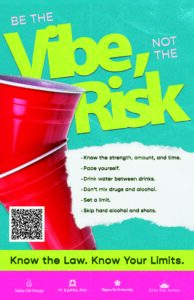 |
Be The Vibe, Not The RiskHaving a plan before you drink can make all the difference. Knowing how much, how strong and how quickly you’re drinking helps you stay in control and avoid unnecessary risks. This poster encourages students to “Be the Vibe, Not the Risk” by understanding how alcohol affects the body and making intentional choices. Use the conversation starter to talk with friends about creating safer drinking plans, supporting one another and keeping every night out fun and safe. |
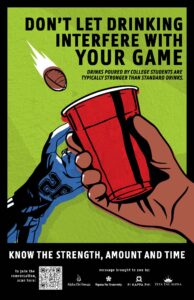 |
Don’t Let Alcohol Interfere With your GameThe best way to approach drinking is to have a solid plan in place! Understanding the strength, timing and amount of alcohol you consume can help you stay in control if you choose to drink. For National Collegiate Alcohol Awareness Week, this poster aims to educate individuals on how to moderate their drinking to prevent overconsumption in social settings. Use the conversation starter to explore different standard drink sizes and responsible drinking techniques to ensure your safety and the safety of others. |
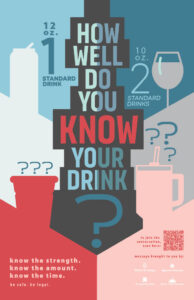 |
How Well Do You Know Your Drink?Not all drinks are poured the same! When college students pour their own alcoholic beverages, they might be consuming more standard drinks than they realize. This year’s focus for National Collegiate Alcohol Awareness Week is on the importance of understanding drink sizes based on alcohol serving sizes and common drink containers. The conversation starter defines what constitutes a standard drink and offers protective strategies to help moderate drinking behavior. |
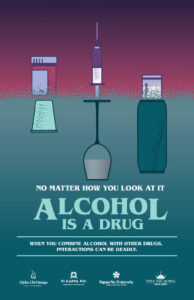 |
Alcohol Is A DrugAlcohol, whether it’s beer, wine or liquor, is indeed a drug. During National Collegiate Alcohol Awareness Week, our goal is to raise awareness about the dangerous and potentially fatal effects of combining alcohol with other legal and illicit substances. Through posters and engaging conversation starters, participants can explore the various types of drug interactions and the harmful damage they can inflict on the body.
|
 |
Have A PlanHaving a plan is a crucial step toward enhancing your safety in situations involving alcohol. The poster for this year’s Collegiate Alcohol Awareness Week provides members with strategies for drinking responsibly, minimizing the negative effects of alcohol and reducing the risks associated with consuming alcoholic beverages. Use the conversation starter as a guide for discussing how to ensure safe drinking experiences with your chapter members.
|
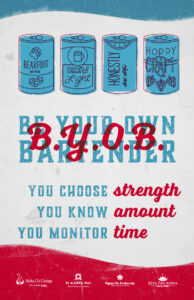 |
Be Your Own BartenderDuring Collegiate Alcohol Awareness Week, we created this poster and conversation starter to encourage discussions about BYOB (Bring Your Own Beverage) practices. The unique “Be Your Own Bartender” message highlights the importance of selecting the strength of your beverage, being aware of the amount of alcohol you consume and monitoring your drinking time. Be sure to use the conversation starter to share helpful tips and guide members on the right way to BYOB.
|
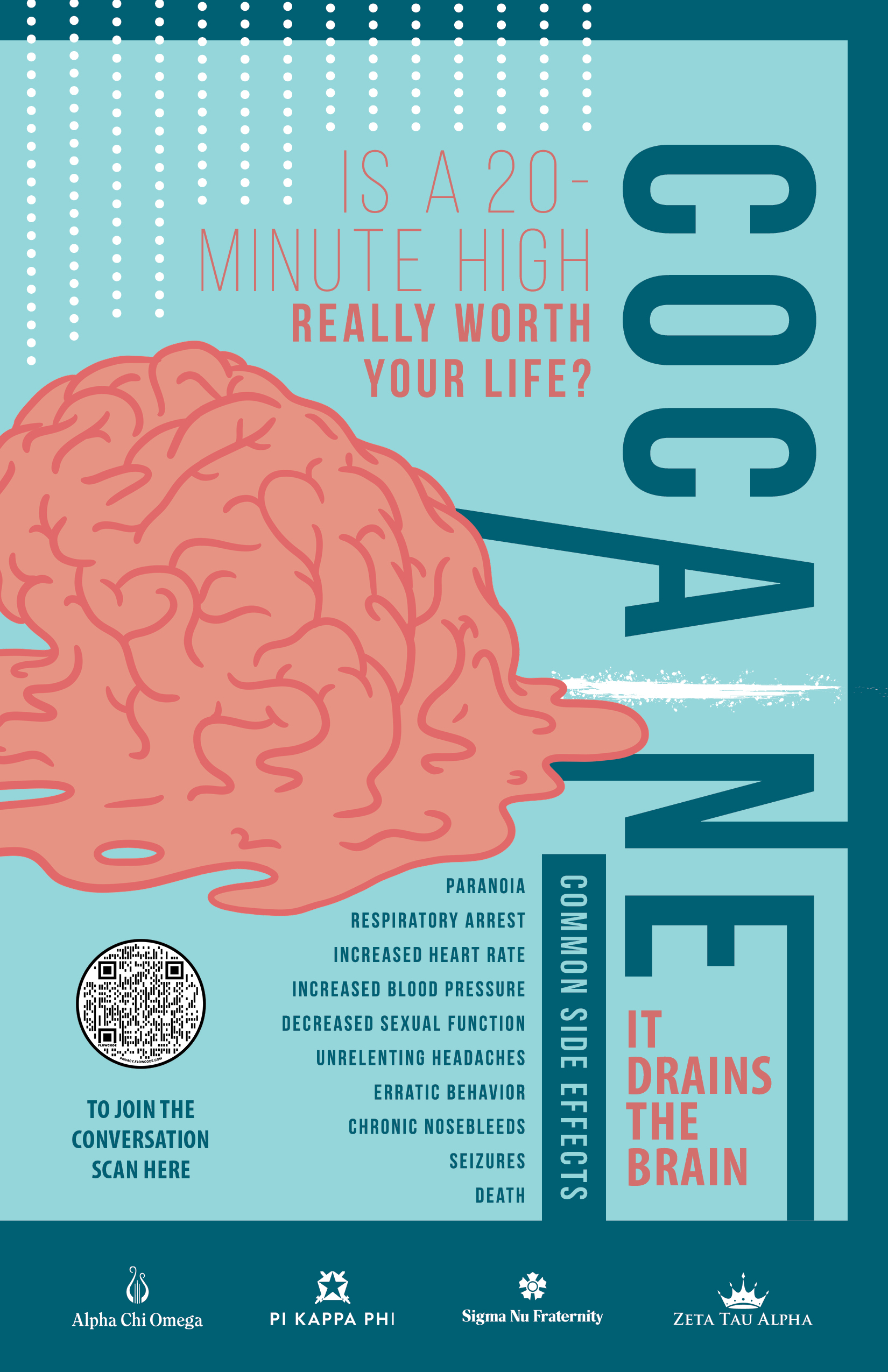 |
Cocaine Prevention: It Drains The BrainCocaine is a powerful and addictive stimulant that can have serious effects on the brain and body, including addiction, mental health challenges and even life-threatening harm. Having a conversation about drug prevention allows you to educate yourself and support sisters in making healthy decisions. This educational poster urges members to think about the dangers of cocaine and the ramifications for those who choose to use this risky substance. Use the conversation starter to help guide you in talking openly about substance use and misuse in your chapter. |
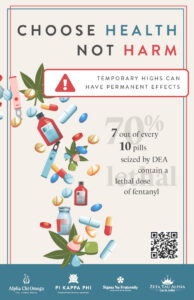 |
Choose Health, Not HarmMaking healthy choices instead of turning to harmful substances is a crucial decision that individuals face each day. According to the Drug Enforcement Administration, “7 out of every 10 seized pills contain a lethal dose of fentanyl” (2024). Even a single instance of substance use can lead to life-threatening or fatal consequences without anyone realizing it. Discussing substance use is one of the most effective ways to prevent misuse and reduce the stigma associated with seeking help. The poster and conversation starter provide guidance on how to engage in open discussions with individuals about their relationship with substances, encouraging them to make safe choices. |
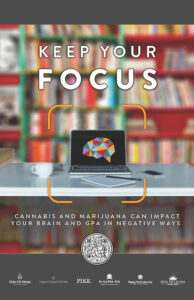 |
Keep Your Focus: A Conversation About CannabisAs state laws regarding the medicinal and recreational use of cannabis continue to evolve, these substances have become more accessible to the public. This increased availability has led to a rise in usage among college students, which may negatively impact their academic performance. The poster and conversation starter highlight the potential consequences of cannabis use, including impaired attention span, decreased cognitive abilities and diminished memory, all of which can affect students’ GPAs and overall learning. |
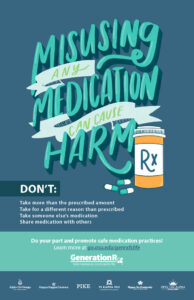 |
Generation RX: Medication SafetyThrough our partnership with Generation Rx and other peer organizations, members now have access to a Toolkit for Fraternity and Sorority Life that provides educational resources aimed at preventing prescription drug misuse. Chapters can engage in discussions focused on prevention related to opioids, prescription stimulants, sedatives and safe medication practices in general. The curriculum consists of four modules, which can be facilitated all at once or one at a time, based on the chapter’s specific interests in prevention. |
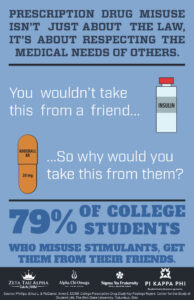 |
Prescription Drug MisuseThis poster addresses the common misconceptions associated with obtaining or using prescription medication from friends or family members. Did you know that 79% of college students who misuse prescription stimulants — such as Ritalin®, Adderall® and Dexedrine®—get these drugs from their friends? It’s important to have a discussion within your chapter to ensure that all members understand the dangers of misusing prescription drugs. Additionally, explore strategies to keep everyone safe. |
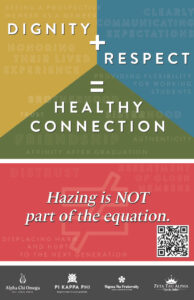 |
Healthy ConnectionAll members deserve a brotherhood where healthy connections are the priority, not the exception. By prioritizing one another’s well-being, we can ensure that hazing has no place in our organization. This educational poster and conversation starter emphasize the importance of treating members with dignity and respect, fostering healthy connections and eliminating unhealthy behaviors, such as hazing, from our brotherhood. |
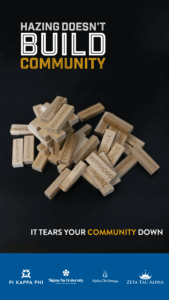 |
Hazing Doesn’t Build CommunityHealthy brotherhood means supporting each other instead of undermining one another. By educating ourselves about hazing and how to report concerning behavior, we can establish a new standard of brotherhood within our organization. This year’s National Hazing Prevention Week poster and conversation starter highlight the fact that hazing is a barrier to creating an inclusive membership experience. It also offers suggestions for fostering a sense of belonging in positive ways as empowered and stronger leaders. |
 |
Big “H” And little “h” HazingWhen discussing hazing, the terms “Big H” and “little h” have been used to describe varying levels of severity. Regardless of the type of activity, there is no justification for hazing, and it has no place in our organization. The National Hazing Prevention Week poster and conversation starter provide examples of harmful hazing behaviors, a definition of hazing and an explanation of why hazing activities are illegal.
|
 |
The Weight of HazingDuring National Hazing Prevention Week, our poster encourages members to reflect on the mental, physical and emotional impacts of hazing. By educating ourselves about the negative outcomes and effects associated with hazing activities, we can work to prevent this behavior within our organization. Together, we can promote safe and healthy membership experiences in our chapters and campus communities. |
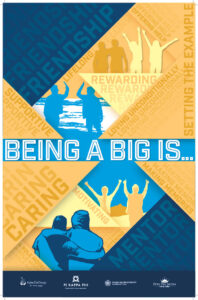 |
Being A Big Is…This National Hazing Prevention Week poster highlights the true meaning of being a big brother. It’s about mentorship, friendship and guiding new members. If this is the case, why aren’t we always advocates for the safety of new members? Let’s shift the conversation from harm to help. Share the positive experiences your chapter has had with big and little brothers, and discuss how you can continue to foster lasting friendships that empower members to become the best versions of themselves. |
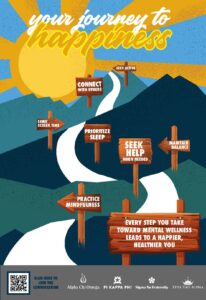 |
Your Journey to HappinessThe journey to mental wellness is unique for each individual. Our “Your Journey to Happiness” poster outlines seven steps that can positively contribute to our overall mental wellness, mirroring the concepts found in the Pillars of Happiness framework. This conversation starter will discuss each of these steps and explore ways we can incorporate them into our daily lives. |
 |
988 Suicide & Crisis LifelineGetting help for your mental health is just one call, text or chat away. The 988 Suicide & Crisis Lifeline offers a new three-digit number that provides free and confidential support 24/7 for you or a loved one who is experiencing a suicide crisis or emotional distress. When you call, text, or chat 988, you will be connected to a trained counseling professional from the Lifeline’s national network of local crisis centers. This educational poster serves as a conversation starter and offers guidance on how to refer a friend in need to 988, as well as tips for supporting yourself and others in finding mental health resources. |
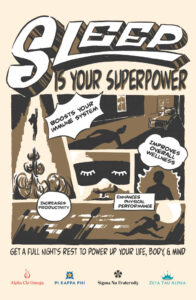 |
Sleep Is Your SuperpowerThe connection between mental health and sleep is significant. The quality of sleep you get each night greatly influences your daily mental and physical well-being. Enhancing your sleep routine can positively affect your brain’s ability to think critically, learn and process information. This educational poster serves as a conversation starter that highlights the importance of good sleep hygiene and offers helpful strategies to improve your mental health. |
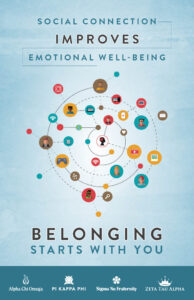 |
Belonging Starts With YouThis month’s harm reduction poster and conversation starter highlights the importance of social connections for our mental health and emotional well-being. In April 2020, Active Minds conducted a survey to assess the pandemic’s impact on college students’ mental health. The results revealed that 80% of college students reported that COVID-19 negatively affected their mental health. As we strive to enhance our emotional well-being, it is essential to recognize the role of social connections in fostering a sense of belonging. |
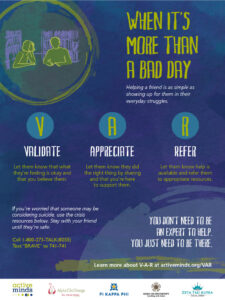 |
V-A-R (Validtate, Appreciate, Refer)We partnered with Active Minds to provide our chapters with an active listening tool called Validate, Appreciate, Refer (V-A-R). This tool is designed to assist friends who may be facing mental health challenges. With 39% of college students experiencing significant mental health issues, it is crucial that we empower our members to support those in need. Use the conversation starter to initiate discussions within your chapter about everyday mental health challenges. |
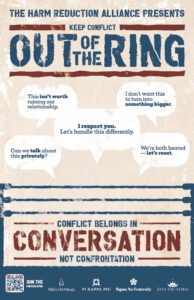 |
Keep Conflict Out of the RingThe Keep Conflict Out of the Ring poster encourages us to handle conflict through conversation rather than physical confrontation. When conflict arises, things can feel intense. Emotions may run high, and it can be tempting to respond quickly and with aggression. The poster encourages us to pause, listen and communicate clearly to prevent things from escalating to something physical.
|
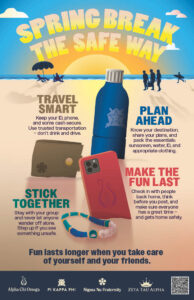 |
Spring Break the Safe WaySpring break is a time for college students to retreat and relax from midterm exams and classwork before finishing the rest of the academic year. For some, this may involve returning home to decompress and recharge. For others, this may include socializing and planning trips away from campus with friends. This conversation starter will help facilitate conversations with members on ways to make safe and healthy decisions during spring break and avoid risk.
|
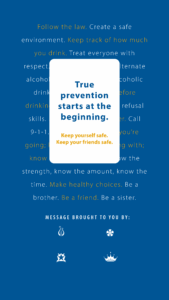 |
True Prevention Starts At The BeginningPrioritize health and safety from the very beginning. As the new academic year begins, chapter calendars fill up with committee meetings, social events, brotherhood activities, philanthropy fundraisers and much more. Ensure that prevention education is included in your plans! Use this poster at the start of the semester to remind members of the importance of making healthy decisions every day throughout the year.
|
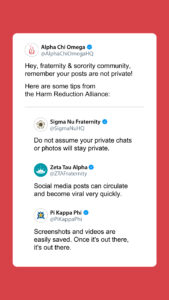 |
Social Media ResponsibilityThink Before You Post! Social media is a valuable and enjoyable way to communicate, engage and connect with others, both personally and professionally, no matter the distance. Keep in mind that your social media presence is in your control and can have lasting consequences for you and your chapter. This conversation starter offers discussion and reflection questions to help you maintain a positive social influence that aligns with our values while you scroll and share online. |
 |
Physically Distant, Socially CloseFor this fall’s harm reduction poster, we are committed to prioritizing our members’ health and safety as we navigate the complexities of the COVID-19 pandemic. This month’s conversation starter will give your chapter an opportunity to discuss the impact COVID-19 has had on our members and to review the role we all play in stopping the spread of the virus. We must embrace #PhysicallyDistantSociallyClose and remain connected in our brotherhood, even when we cannot always gather in person. |
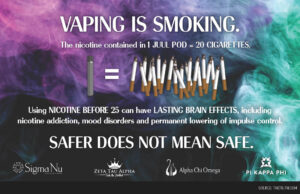 |
Vaping Is SmokingThere are misconceptions about the health impacts of e-cigarettes, often branded as JUUL. This poster and conversation guide clarify that while vaping is safer than traditional cigarette smoking, e-cigarettes still contain nicotine. Nicotine is highly addictive and can lead to various health issues, including long-term effects on the brain, such as addiction, mood disorders and a permanent decrease in impulse control. |
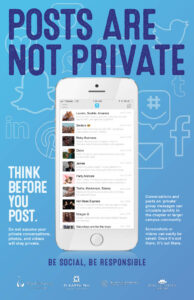 |
Social Media ResponsibilityThis poster serves as a reminder to students that posts on social media are not private. With the constant evolution of communication methods, it’s essential for students to think carefully before they post. Social media content can be easily saved and shared within the larger community. This poster also acts as a conversation starter, highlighting the importance of considering the potential outcomes of posts and comments made in such public forums. Be social, be responsible. |
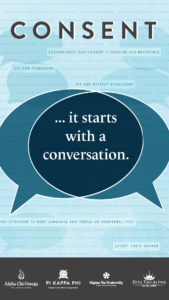 |
Consent … It Starts With A ConversationConsent is essential for participating in any sexual activity. While it might feel awkward at first, asking for consent doesn’t have to be complicated. It can begin with a simple conversation. In recognition of Sexual Assault Awareness Month, we encourage our members to utilize the educational poster and conversation starter provided. This initiative aims to promote a better understanding of consent and empower individuals to make choices about intimacy that align with their comfort levels and personal boundaries. |
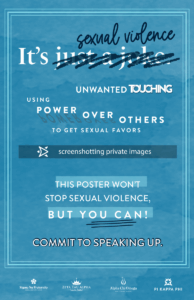 |
It’s No JokeFor Sexual Assault Awareness Month, we aim to highlight the urgent need for education on how sexual violence can manifest within campus communities, as well as the role fraternity and sorority members can play as catalysts for change. This poster outlines the continuum of sexual violence and informs members about various forms it can take: invasion of personal space, unwanted sexual touching, sexual harassment, sexual assault and rape. |
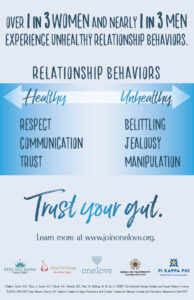 |
Relationship BehaviorsIn recognition of Sexual Assault Awareness Month, we have collaborated with the One Love Foundation to create content aimed at educating individuals about the signs of healthy and unhealthy relationships. Along with the poster, we’re providing a resource to help you initiate conversations within your chapter about healthy relationships. The One Love Foundation’s guide, “Healthy & Unhealthy Relationship Behaviors Explained,” outlines the ten signs that distinguish a healthy relationship from an unhealthy one. |
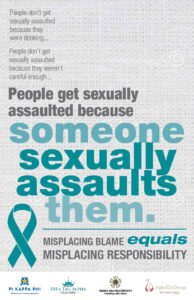 |
Misplacing Blame Equals Misplacing ResponsibilitySexual assault occurs because someone chooses to commit it. This poster reminds everyone that the victim is never to blame for a sexual assault. Misplaced blame leads to misallocated responsibility. |
 |
It’s On UsIt is our responsibility to prevent sexual assault. This poster was created to remind members that “it’s on us” to stop sexual assault and encourages them to take the pledge to be part of the solution. |
